The 12 best Scope 3 reporting software tools in 2026
This article discusses the importance of Scope 3 software for tracking indirect emissions, highlight the best tools available on the market, and offer some practical tips for choosing the right solution based on your…
Read the full introduction
This article discusses the importance of Scope 3 software for tracking indirect emissions, highlight the best tools available on the market, and offer some practical tips for choosing the right solution based on your unique needs.
Key takeaways
- Scope 3 emissions often account for over 90% of a company’s carbon footprint, yet only 37% of EU businesses actively address them with decarbonisation measures.
- Effective Scope 3 software automates data collection across all 15 GHG Protocol categories, identifies emission hotspots and produces audit-ready reports aligned with ESRS E1.
- Coolset measures Scope 1–3 emissions using TÜV-certified methodology, highlights reduction opportunities and generates CSRD-compliant reports automatically.
Scope 3 emissions represent the majority of most companies' carbon footprints, often comprising up to 90% or more of total GHG emissions. Yet they're also the most challenging to measure accurately, requiring data from across your entire value chain. The right software can dramatically simplify this process.
In this article, we compare the best Scope 3 reporting software tools in 2026, covering their key features, pricing, and ideal use cases to help you find the right fit.
What to look for in Scope 3 reporting software
Before diving into specific tools, it's worth understanding what separates good Scope 3 software from great Scope 3 software. Here are the key criteria:
- Methodology alignment: Does the tool follow the GHG Protocol's Corporate Value Chain (Scope 3) Standard and offer both spend-based and activity-based calculation methods?
- Data collection capabilities: Can it collect supplier-specific emissions data or does it rely entirely on spend-based estimates?
- CSRD/ESRS readiness: Does it generate the disclosures needed for ESRS reporting under CSRD?
- Audit trail: Does it maintain traceable documentation for assurance purposes?
- Supplier engagement: Does it help you collect and manage supplier emissions data at scale?
- Integration: Can it connect to your ERP, procurement, or finance systems to pull in spend data automatically?
The top Scope 3 reporting software tools in 2026
1. Coolset
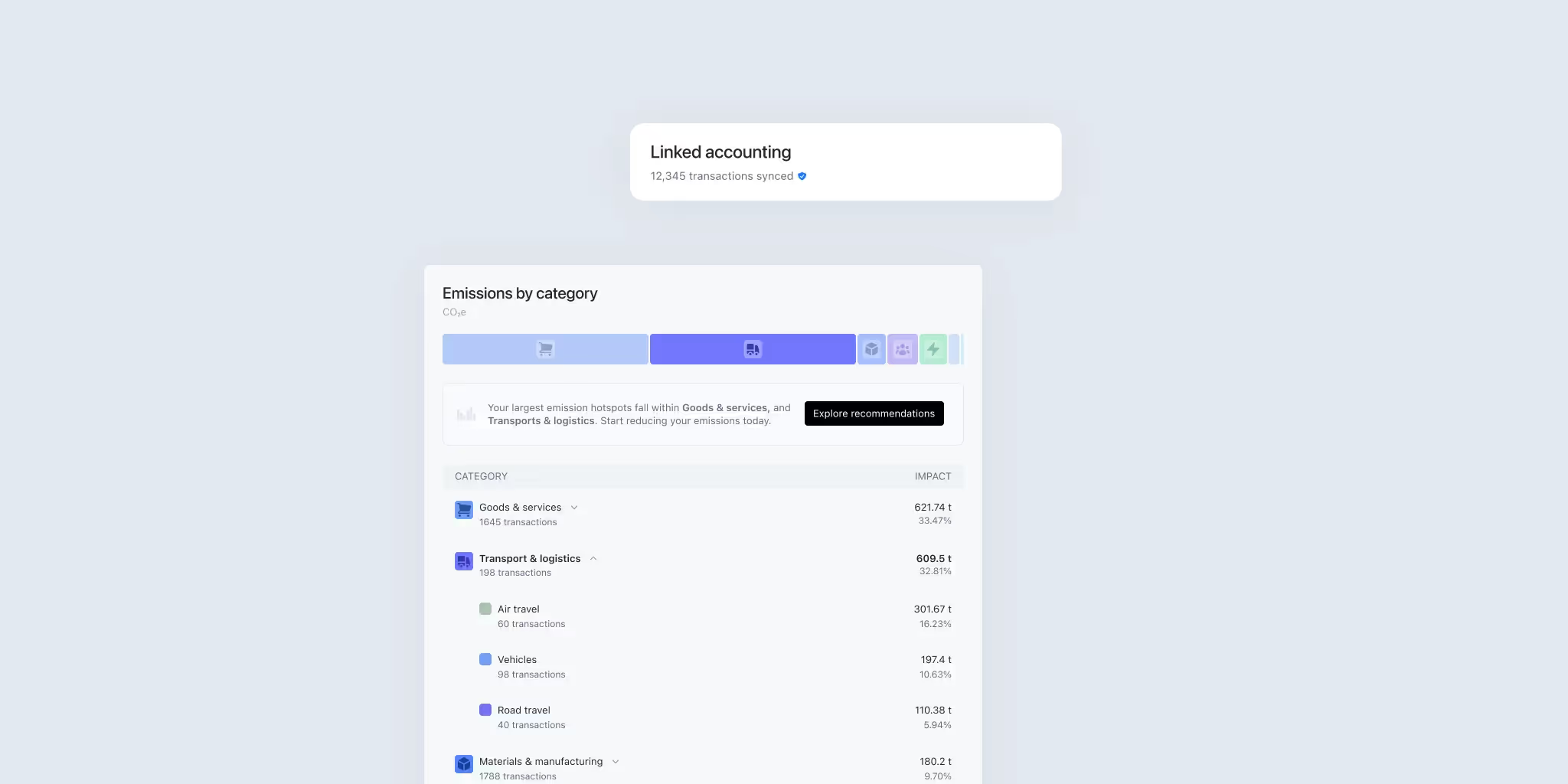
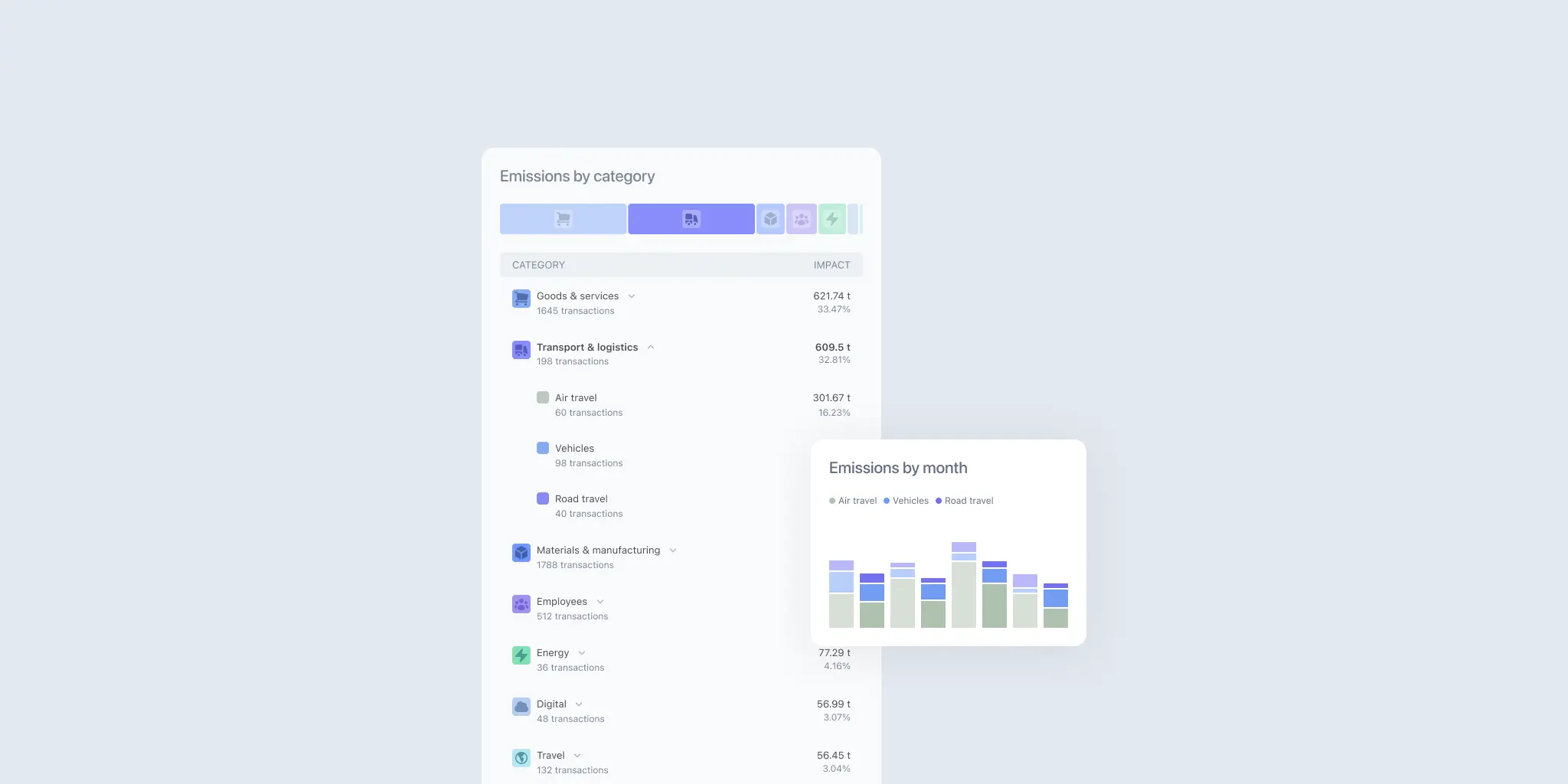
Coolset is a carbon and ESG management platform purpose-built for mid-market companies that need to measure Scope 1, 2, and 3 emissions, identify reduction opportunities, and produce audit-ready CSRD reports – without enterprise complexity.
For Scope 3 specifically, Coolset supports both spend-based and activity-based calculation methods across all 15 categories. It includes supplier engagement tools to collect primary emissions data, smart autofill features to reduce manual entry, and direct integration into CSRD/ESRS reporting workflows.
Coolset's Scope 3 methodology is TÜV Rheinland-certified, making it a strong choice for companies that need audit-ready results.
Key features
- Scope 3 coverage across all 15 categories
- Spend-based and activity-based calculation methods
- Supplier engagement module for primary data collection
- TÜV Rheinland-certified GHG methodology
- Direct integration with CSRD/ESRS reporting
- Audit-ready exports: XBRL, PDF, Word, PowerPoint
Pricing
€6,000–€30,000/year. No implementation fees.
Best for
EU mid-market companies needing audit-ready Scope 3 measurement and CSRD reporting in one platform.
2. Normative
Normative is a Swedish carbon accounting platform with a particular focus on science-based Scope 3 measurement. It's known for its rigorous methodology and large emissions factor database.
Key features
- Spend-based and activity-based Scope 3 methods
- Supplier data collection and engagement tools
- SBTi target tracking
- Benchmark comparison against peers
Pricing
Custom pricing; mid-to-enterprise range.
Best for
Companies with complex supply chains and a focus on Scope 3 accuracy and peer benchmarking.
3. Watershed
Watershed is an enterprise carbon platform known for data quality and clean UX. It offers strong Scope 3 capabilities but is primarily designed for large organisations.
Key features
- Full Scope 3 coverage with strong data validation
- ERP and procurement system integrations
- Climate disclosure and reduction planning tools
Pricing
Enterprise pricing; not publicly disclosed.
Best for
Large enterprises with substantial internal resources and complex Scope 3 reporting requirements.
4. Sphera
Sphera provides enterprise sustainability and operational risk management software. It's widely used in manufacturing and chemical sectors where Scope 3 measurement involves complex product lifecycles.
Key features
- LCA-based and activity-based Scope 3 calculation
- Supply chain emissions mapping
- Industry-specific emissions models
- Regulatory compliance reporting
Pricing
Enterprise pricing; custom quotes required.
Best for
Manufacturers, chemical companies, and other industrial organisations with lifecycle-heavy Scope 3 footprints.
5. Plan A
Plan A is a Berlin-based sustainability management platform offering carbon accounting, CSRD reporting, and net zero planning tools. It focuses on European mid-market and enterprise companies.
Key features
- Scope 1, 2, and 3 measurement with European focus
- CSRD/ESRS reporting module
- Net zero strategy builder
- Supplier engagement tools
Pricing
Custom pricing; typically €20,000–€80,000/year.
Best for
European mid-market and enterprise companies seeking combined carbon and CSRD reporting.
How to choose the right Scope 3 software for your business
The right choice depends on your company's size, industry, regulatory obligations, and internal capacity. Consider these questions:
- Do you need a tool focused purely on Scope 3 measurement, or one that integrates carbon accounting with CSRD/ESRS reporting?
- What is the complexity of your Scope 3 footprint? Are most emissions in a few categories (e.g. purchased goods) or spread across many?
- Do you have the in-house resources to manage a complex enterprise platform, or do you need something lean and guided?
- Is audit-readiness a priority? If so, look for tools with certified methodologies and traceable documentation.
- What is your budget? Mid-market tools like Coolset offer robust functionality at a lower price point than enterprise platforms.
For mid-market EU companies balancing Scope 3 measurement with CSRD compliance, Coolset offers one of the strongest value propositions. Book a demo to see how it works in practice.
Also useful: why finance teams shouldn't rely on spreadsheets for sustainability reporting.