ESRS S2 is a topical standard under CSRD requiring companies to disclose material impacts, risks and opportunities related to workers in their value chain, including supplier workers, contractors and outsourced…
ESRS E2 is the CSRD standard for pollution reporting, covering material impacts on air, water, soil, microplastics, and substances of concern across a company's own operations and value chain.
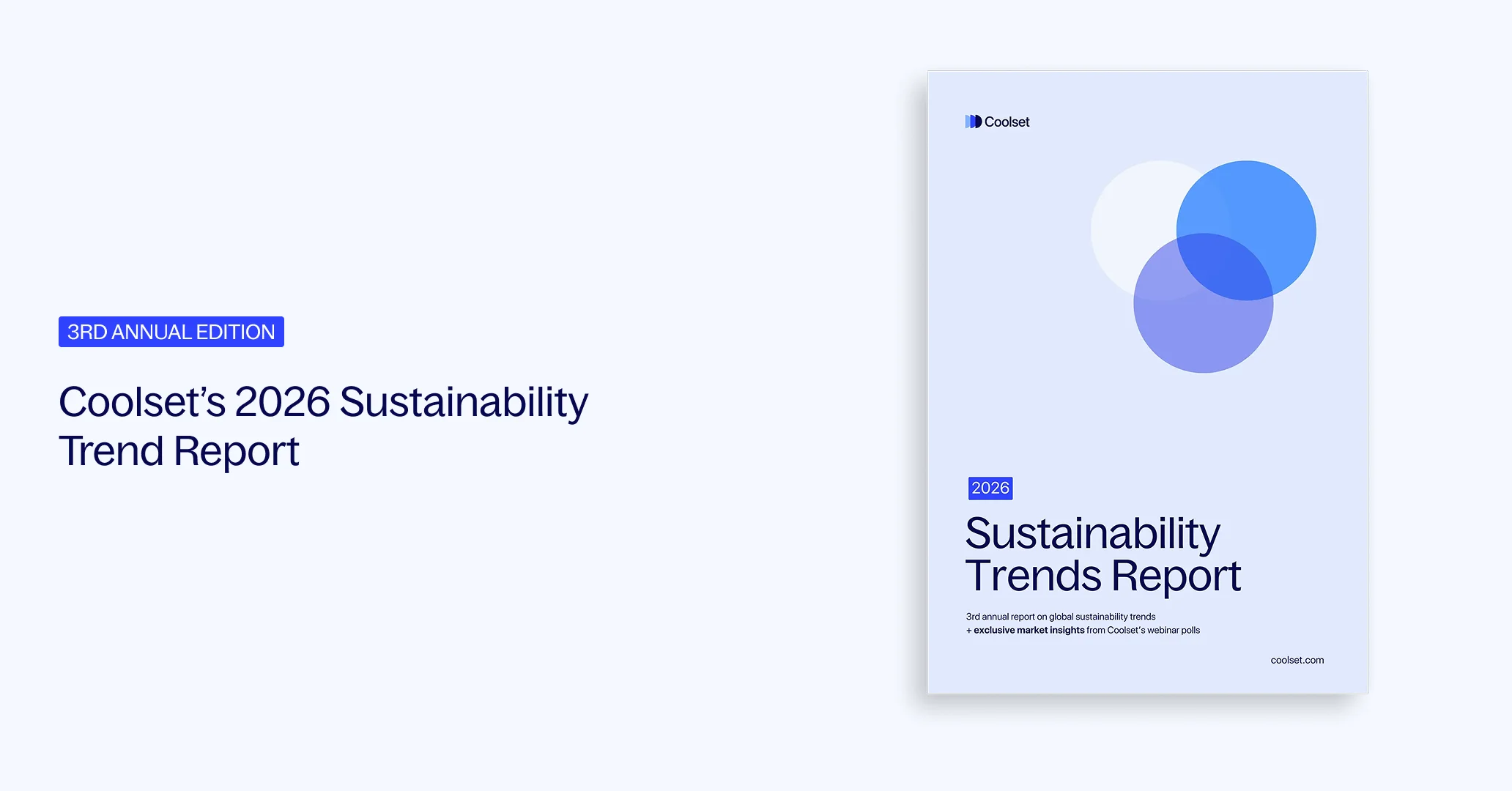
The Sustainability Trends Report 2026 argues that sustainability is shifting from regulatory uncertainty to execution under rising pressure from markets and supply chains.
ESRS E4 is the CSRD standard for biodiversity and ecosystems reporting, applying only when biodiversity is identified as material through a double materiality assessment.
ESRS S1 is the CSRD standard for own workforce reporting, covering material impacts on employees and certain non-employees across 16 disclosure requirements.
The EUTR has applied continuously since March 2013 and remains fully enforceable, requiring ongoing legality-based due diligence for all timber placed on the EU market until it is fully phased out.
This article explains how the EcoVadis questionnaire assesses a company’s sustainability practices based on documented policies, actions, and results across four themes.
EUDR compliance is a joint responsibility between ESG and supply chain teams: ESG owns the due diligence framework and governance, while supply chain manages supplier data collection, traceability, and DDS coordination.